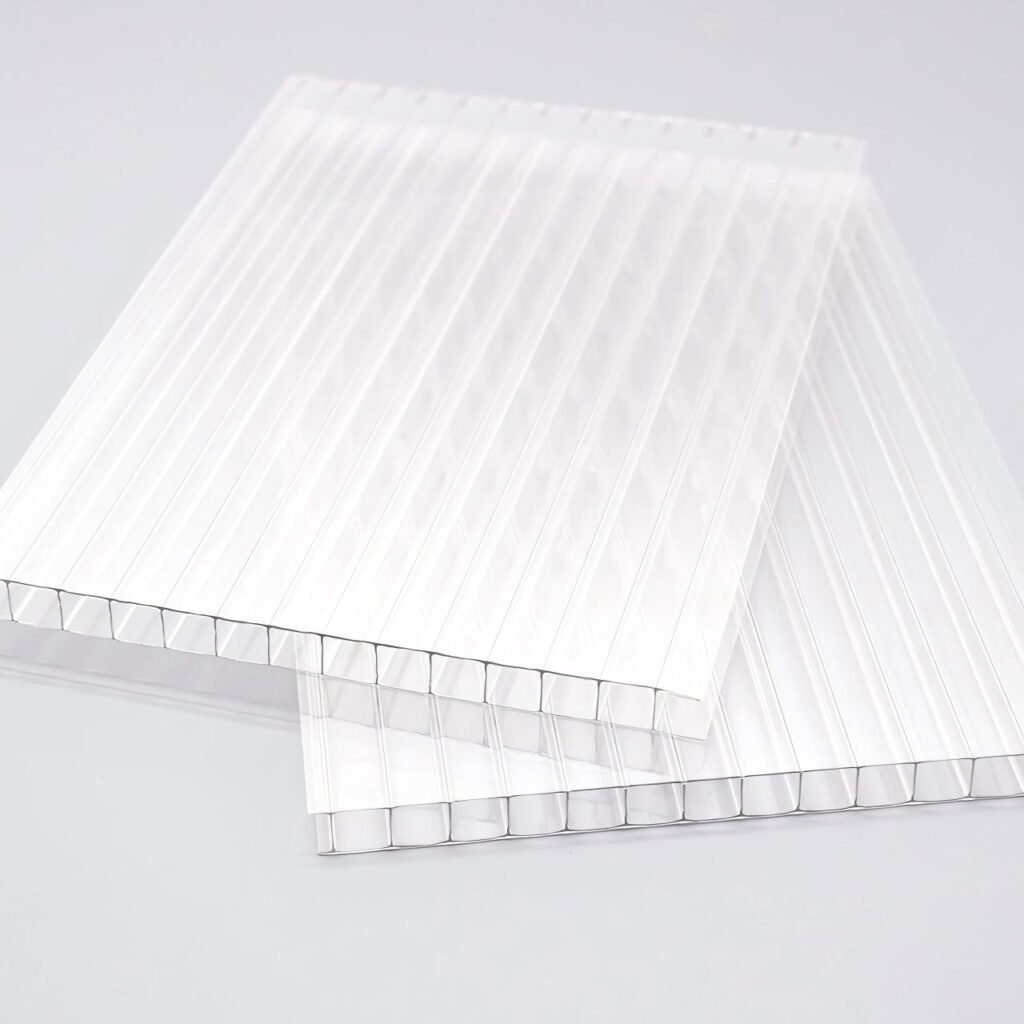
Polycarbonate (PC) is a transparent and robust engineering plastic. It’s lightweight, yet stands out for its excellent impact resistance, heat tolerance, and flame retardancy. Thanks to this well-rounded profile, it’s ranked as one of the top five engineering plastics and is used in a wide range of everyday applications.
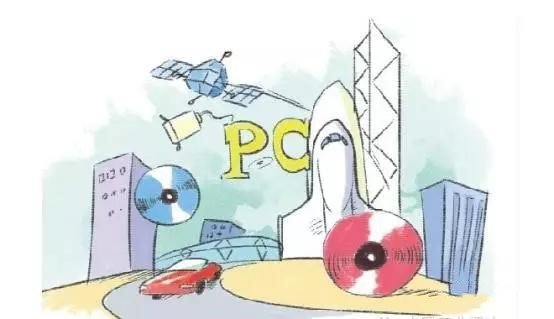
You can find it in many places: from sturdy building panels and automotive parts to precise medical devices; from aerospace equipment and various electronics to the optical lenses and LED lights we use daily. Its market potential continues to grow significantly.
Currently, two main methods produce polycarbonate: the phosgene process and the more environmentally friendly melt process. While the phosgene method was dominant in the past, its use of highly toxic materials and growing environmental concerns have led most new plants to adopt the cleaner melt process. Admittedly, melt-processed PC might slightly lag in some peak performance aspects, but it fully meets the demands of the vast majority of common applications.
What Makes Polycarbonate So Great?
1. Excellent Clarity & Durability
It offers up to 90% light transmission – as clear as glass but much lighter, more shatter-resistant, and easier to shape. Many people confuse it with “Plexiglas” (PMMA). Although PMMA can be optically superior, it falls far short of polycarbonate in strength and heat resistance and is not flame-retardant. Therefore, for overall performance, polycarbonate is the more versatile choice.
2. Tough and Impact-Resistant
Usually, if a material is very hard, it tends to be brittle. Polycarbonate breaks this rule – it’s difficult to bend yet remarkably tough. For instance, a polycarbonate sheet just 1.2 cm thick can withstand a 4 kg ball dropped from 10 cm without any damage.
3. Inherently Flame Retardant
Many plastics need additives to resist fire, but polycarbonate has natural flame-retardant properties. If a higher fire safety rating is needed, adding a small amount of flame retardant does the trick, without compromising its excellent optical and mechanical qualities – something many other plastics struggle to achieve.
4. High Heat Resistance for Broader Use
Plastics generally soften with heat. Polycarbonate, however, can be used continuously at 120°C–130°C, greatly expanding its applications. The popular “space cups” from years ago were made using its transparent, lightweight, and heat-resistant features.
How Is It Used? What’s the Market Like?
In practice, polycarbonate is rarely used alone. To enhance certain properties (like whiteness or aging resistance), specialized titanium dioxide (TiO₂) is often added. For example, Ishihara Sangyo’s PC-3 titanium dioxide is well-regarded in the industry. Designed specifically for PC, it effectively prevents yellowing and degradation.
Looking at the global market:
- About 20% goes into consumer electronics like phone and laptop casings.
- About 18% is used in sheets and films for construction.
- About 18% is for optical media like CDs and DVDs.
- Electrical appliances and automotive components (excluding windows) each account for roughly 12%.